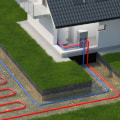
Geothermal heating systems are widely recognized for their energy efficiency and sustainability, using the stable temperatures beneath the earth’s surface to regulate indoor climate. While much of the attention is placed on the heat pump and underground loops, the plumbing system plays an equally critical role in ensuring long-term efficiency. These systems rely on a network of pipes that circulate water or a water-based solution to transfer heat between the ground and the home. Without properly designed and maintained plumbing, even the most advanced geothermal system can struggle to perform effectively.
The Role of Plumbing in Heat Transfer Efficiency
At the core of geothermal heating is the movement of fluid through a closed-loop system, which depends heavily on the integrity of the plumbing infrastructure. Pipes must be properly sealed, insulated, and installed to prevent leaks and maintain consistent flow. Any disruption in this circulation—such as air pockets, blockages, or pipe damage—can significantly reduce the system’s ability to transfer heat efficiently. High-quality materials and precise installation techniques ensure that the fluid maintains optimal temperature as it travels through the system. Working with experienced professionals, such as Abacus Plumbing, helps ensure that these critical components are handled correctly, supporting the overall performance of the geothermal setup.
Maintaining Pressure and Flow for Optimal Performance
Consistent pressure and flow are essential for geothermal systems to operate at peak efficiency. Plumbing components such as pumps, valves, and connectors must function seamlessly to maintain this balance. If pressure drops or flow becomes restricted, the system may require more energy to achieve the desired heating or cooling effect, reducing its overall efficiency. Regular inspections and maintenance of these components help identify potential issues early, allowing for timely repairs that prevent long-term damage. Properly maintained plumbing ensures that the geothermal system operates smoothly and delivers consistent comfort throughout the home.
Preventing Water-Related Issues and System Failures
Water management is another key aspect of geothermal system efficiency. Leaks or moisture buildup within the plumbing network can lead to corrosion, reduced performance, and even system failure. Ensuring that all connections are secure and that drainage systems are functioning properly helps prevent these issues. Additionally, protecting pipes from environmental factors such as temperature fluctuations and soil movement is essential for maintaining long-term reliability. By addressing these concerns proactively, homeowners can avoid costly repairs and extend the lifespan of their geothermal system.
Long-Term Benefits of Integrated Plumbing and Geothermal Care
The connection between plumbing and geothermal heating highlights the importance of an integrated approach to home maintenance. When plumbing systems are properly designed, installed, and maintained, they support the efficient operation of geothermal technology, maximizing energy savings and environmental benefits. Over time, this synergy results in lower utility costs, reduced maintenance needs, and improved system longevity. By prioritizing both plumbing and geothermal care, homeowners can create a highly efficient and sustainable home environment that delivers reliable performance for years to come.