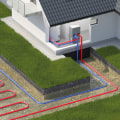
Geothermal heating systems are among the most efficient and sustainable solutions for regulating indoor temperatures, utilizing the stable thermal energy stored beneath the earth’s surface. These systems rely on a network of underground loops filled with water or a water-based solution that absorbs heat in the winter and dissipates it in the summer. While the concept is relatively straightforward, the effectiveness of geothermal systems depends heavily on the design and performance of their water circulation systems. Without proper circulation, even the most advanced geothermal setup can struggle to deliver consistent comfort and energy savings.
The Role of Water Circulation in System Efficiency
At the core of geothermal heating is the continuous movement of fluid through underground pipes and into the home’s heat pump. This circulation process is what enables the transfer of thermal energy between the ground and the indoor environment. A well-designed system ensures that water flows at the correct rate and pressure, maintaining optimal heat exchange. If circulation is uneven or restricted, the system may experience reduced efficiency, increased energy consumption, and unnecessary wear on components. Homeowners who explore resources like Southlake water pressure tips can gain a better understanding of how proper flow and pressure management contribute to overall system performance.
Preventing System Imbalances and Performance Issues
Proper water circulation also helps prevent imbalances that can negatively impact geothermal systems. Air pockets, leaks, or blockages within the loop system can disrupt the flow of fluid, reducing the system’s ability to transfer heat effectively. These issues can lead to inconsistent indoor temperatures and higher operating costs. Regular maintenance, including checking for leaks and ensuring that pumps and valves are functioning correctly, is essential for maintaining a balanced system. By addressing these factors proactively, homeowners can avoid common performance issues and extend the lifespan of their geothermal equipment.
Supporting Long-Term Reliability Through Design
The design of the water circulation system plays a crucial role in ensuring long-term reliability. Factors such as pipe layout, loop length, and pump capacity must be carefully calculated to match the specific needs of the property. Proper insulation and protection of the system further enhance its durability, preventing heat loss and minimizing exposure to environmental stress. A well-designed circulation system not only improves efficiency but also reduces the likelihood of costly repairs or system failures over time. This thoughtful approach ensures that the geothermal system remains a dependable source of comfort for years to come.
Long-Term Benefits of Efficient Water Circulation
Investing in a well-designed water circulation system for geothermal heating offers significant long-term benefits. Homeowners can enjoy lower energy bills, consistent indoor temperatures, and reduced environmental impact. Additionally, efficient circulation minimizes wear on system components, leading to fewer maintenance requirements and extended equipment life. By prioritizing proper design and regular upkeep, homeowners can maximize the advantages of geothermal technology while ensuring reliable performance. Ultimately, understanding the importance of water circulation is key to unlocking the full potential of geothermal heating systems and creating a sustainable, energy-efficient home environment.